June 1, 2024
The pelvis plays a vital role in the structure and function of the body. It distributes the weight of your upper body to your lower limbs and makes all the movement you’re capable of possible. At the same time, it holds a large number of your internal organs in place.
Your bodily functions rely on your pelvis operating correctly and being appropriately positioned. When at rest, the pelvis should maintain a “neutral” position. “Neutral,” in this case, means the back and front of the pelvis are level.
The body changes to compensate when the pelvis isn’t in the correct position. These changes often have consequences that could last years if not dealt with. Read here to find out how to fix anterior pelvic tilt and prevent it from happening to you.
What is an Anterior Pelvic Tilt?
Anterior pelvic tilt is a positioning issue with your pelvis. “Anterior” is the opposite of “posterior,” meaning your pelvis is tilted forward. A forward rotation like this curves the spine inward and pushes your glutes out.
Also known as “swayback,” it presents as a banana or “c” shape, with the stomach sticking out and the backside pointing in the opposite direction. The spine’s shape places excessive stress on the body, tightening some muscle groups and atrophying others.
What Causes Pelvic Tilt?
Some people are born with pelvic tilt, but external factors can also contribute to the issue.
- Prolonged Sitting
- Poor Posture
- Obesity
- Injury or Surgery
In our modern society, we’re highly sedentary. Many adults sit in front of screens for long hours every day. This prolonged sitting leads to weak and tight muscles, especially in the hip flexors, whether for work or leisure.
Standing up straight and good posture are important for more than just feeling confident. Poor posture can lead to tightness and weakening of the back muscles along the spine. Make note of your posture, whether sitting or standing, and place your body in a strong and healthy position.
Aside from other health conditions that may be caused by being overweight, the extra pounds can change how your body carries itself. Placing additional weight on your pelvis can lead to a tilt to compensate for the change.
After an injury, the body adapts to cause as little pain as possible. This can manifest in a pelvic tilt to relieve pressure or minimize pain while degrading posture and spinal health. The same can be true while recovering from surgery, as the body tries to displace as much pain as possible.
Symptoms of a Tilted Pelvis
It may seem like a tilted pelvis is something everyone will notice, but occasionally, it will manifest with no symptoms. Be sure to consult with your chiropractor to assess and diagnose your spinal health. Some common symptoms are:
- Posture – When looking for it, posture is easily the most noticeable symptom. A spinal professional immediately recognizes the spine’s “c” shape and the protruding stomach.
- Tight Muscles – Pelvic tilts shift the body’s anatomy and posture, increasing the strain on your leg and back muscles. You may feel incredibly tight in the muscles along your spine or thighs, with some muscle weakness and pain.
- General Pain – Displacement of the pelvis can cause problems with positioning the entire body. People with anterior pelvic tilt may experience knee, hip, and foot pain.
How Can A Chiropractor Help Pelvic Tilt?
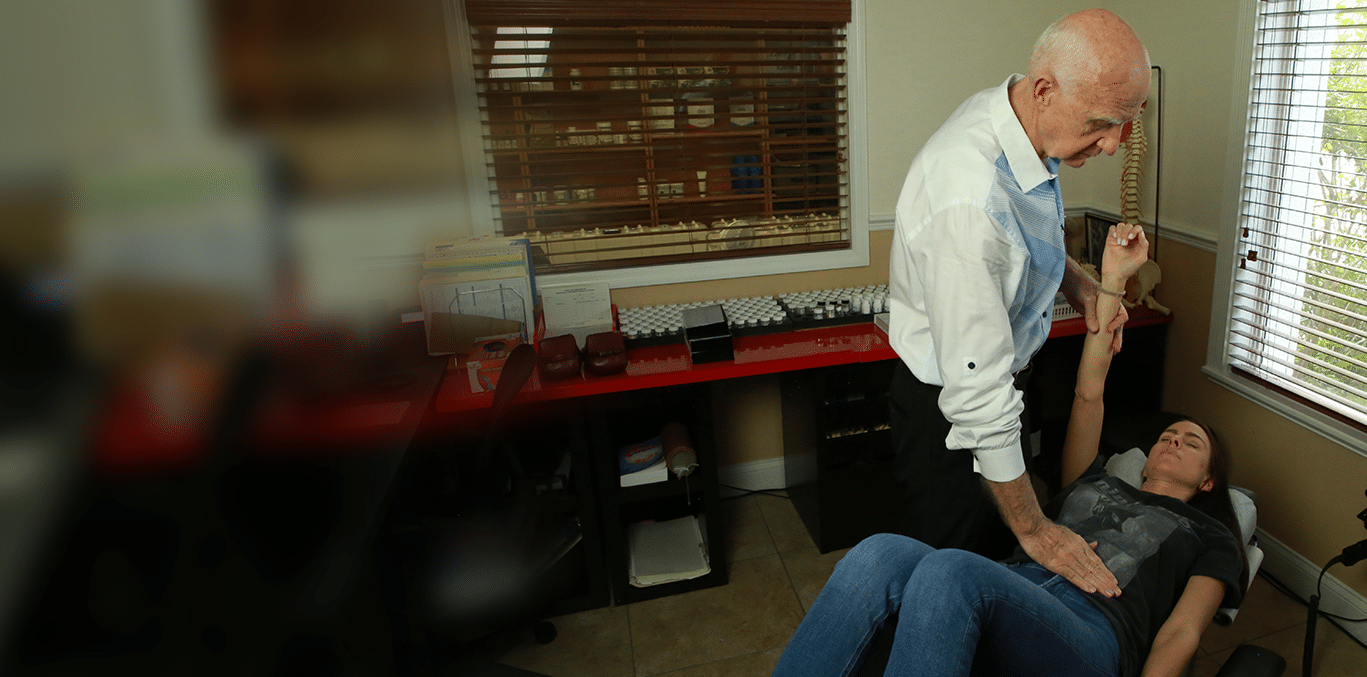
Chiropractors are experts in aligning the body and removing subluxations to improve health. Restoring proper alignment of the pelvis is right within a chiropractor’s wheelhouse.
Your chiropractor will assess the pelvis independently and in relation to the rest of your body. Most likely, it will only need to be a visual assessment to make a diagnosis, but if it’s subtle enough, they may be required to feel the spine and pelvis.
After a diagnosis, your chiropractor will use different techniques and chiropractic adjustments to address the alignment. These adjustments will range from soft tissue massages to spinal manipulations. All of which will improve the health of your spine and pelvic area.
What Can I Do To Correct Anterior Pelvic Tilt?
Visiting a chiropractor is a valuable first step to correcting anterior pelvic tilt, but extra care and consistency outside the chiropractic office are required to keep your pelvis aligned. After your adjustment, you may be given a list of exercises to benefit your alignment.
Posture Awareness
One of the best things you can do is acknowledge your posture whenever possible. It’s more beneficial to consciously notice and make minor corrections as often as possible rather than ignore them. Focusing on your spinal and pelvic alignment will help you better understand how your body works.
Exercise and Stretch
Exercise is crucial to combating anterior pelvic tilt. It not only strengthens the core and thigh muscles, which are pivotal to pelvic positioning but also stretches the hip flexors to allow a better range of motion. These exercises may include squats, planks, and bridges, among others.
Routine Chiropractic Visits
Consistently visiting a chiropractor can only benefit you. A chiropractor will be invested only in your health and personal alignment journey. They can’t monitor progress and keep you on track with only one visit. A chiropractor’s expertise and input will keep you from doing anything too drastic and harmful to your posture.
Chiropractic Experts in Clearwater, FL
You don’t have to fix your pelvic tilt on your own! Our team of expert chiropractors can provide guidance and adjustments to keep you on track to your best self.
Contact us today to schedule a consultation!
About the Author: With over three decades of experience, Dr. Jere Jarrett is a highly educated and experienced chiropractor who serves Clearwater, FL, and the surrounding areas. He takes a “whole-body” approach to chiropractic care. Instead of treating symptoms, Dr. Jarrett looks for the underlying cause of pain and discomfort. Call 727-447-4647 to schedule an appointment!